

How to Plan a Perfect Chicago Engagement Proposal for Out of Town Chicago Couples

Planning a proposal in a city you do not know is hard for one simple reason: the small details matter most, and those details are usually local.

A beautiful Chicago view is not enough. The wrong entrance can add stress. A crowded path can ruin privacy. A great photo spot can look completely different at noon than it does at 9:00 AM. Even a few feet can change the background, the light, and whether people walk through the moment.

That is why a strong Chicago proposal plan needs more than a location name. It needs a route, a meeting point, a timing plan, a backup option, and a clear idea of what happens after the “yes.”

One recent proposal showed exactly how much those details matter. The client was visiting from Boston, Massachusetts, and wanted a proposal that felt private, emotional, and carefully planned without feeling staged. We chose Lincoln Park, planned the walk to the exact spot, marked the proposal point on a map, and timed it for 9:00 AM near the Honeycomb structure by the Nature Boardwalk.
When the client started reading a poem, the area was clear. No one was standing right next to them. The moment had space to breathe. After the proposal, they had a few quiet minutes together before we moved into portraits nearby.
The photos came out beautifully because the plan gave the moment what it needed: calm, good light, a clean background, and enough structure to make everything feel easy.
Why out of town couples need a more detailed proposal plan
Chicago is easy to love in photos, but harder to read from a distance. Online searches show the highlights: skyline views, lakefront paths, gardens, bridges, and historic buildings. What they do not always show is how those places behave in real life.
A proposal spot can change based on:
Time of day
Day of the week
Foot traffic
Weather
Construction
Seasonal landscaping
Events in nearby parks or venues
Sun direction
How nervous the person proposing is
For someone local, it may be possible to visit a few locations and test them. For someone flying in from Boston, New York, Dallas, Los Angeles, or another city, that is usually not realistic. The plan has to be built before arrival.
That means the planning process should answer practical questions, not just creative ones.
Where should the couple enter the park?
Where should they walk so the proposal does not feel suspicious?
Where should the photographer stand?
What view will be behind them?
What happens if the spot is crowded?
Where do they go afterward for portraits?
How much time should they have alone after the proposal?
These questions may sound small, but they directly affect the experience. A proposal is both emotional and logistical. The emotional part should feel personal. The logistical part should be handled quietly in the background.
That is the reason local guidance helps so much. It allows the person proposing to focus on the words, the ring, and the moment instead of worrying about where to stand.
Chicago also has public spaces with their own rules and conditions. The Chicago Park District manages many parks and often has permit guidance for professional photography, events, and reserved spaces. Rules can vary based on location, group size, setup, and use of equipment. Lincoln Park Zoo is free and open to the public, but the surrounding Nature Boardwalk and park areas still require thoughtful planning because they attract walkers, families, tourists, runners, and photographers.
For out of town couples, the safest plan is simple: choose a location that looks beautiful, then build a real plan around how that location works.
Why Lincoln Park works so well for a Chicago proposal

Lincoln Park is one of the strongest proposal areas in Chicago because it offers variety in a small area. That matters when the plan includes both the proposal and photos afterward.
Within a short walk, there are views of:
The Chicago skyline
The Nature Boardwalk
The Honeycomb structure
Trees and natural paths
Pond reflections
Garden areas
Classic park scenery
That variety makes Lincoln Park different from a single skyline overlook. If one area is busy, there are often nearby alternatives. If the light changes, there are shaded paths and open views close by. If the couple needs a few minutes after the proposal, the park gives them room to slow down.

The Honeycomb, officially known as the Nature Boardwalk pavilion, is one of the most recognizable spots in this area. Its curved wood structure frames the skyline in a way that feels distinctly Chicago without needing a crowded downtown backdrop. It gives the proposal a clear sense of place.
For this engagement proposal in Lincoln park of Chicago, the goal was to create a private feeling in a public place. That meant we needed the right time, the right walking path, and the right position near the Honeycomb.
Why 9:00 AM was the right timing
Morning timing is one of the best choices for a public proposal in Chicago, especially in busy areas like Lincoln Park.
At 9:00 AM, several things often work in your favor:
The park is awake, but not fully crowded
The light is usually softer than midday
The day still feels open and calm
There is less pressure from dinner reservations or evening schedules
The couple can enjoy the rest of the day after the proposal
Light matters because harsh midday sun can create strong shadows under the eyes and blown-out highlights on clothing. Photographers often prefer early morning or later afternoon for portraits because the sun sits lower in the sky and creates a more flattering look. In open park settings, morning light can also help keep the background clean and soft.

Crowds matter just as much. Public places are never fully controllable, but timing can reduce the chance of people standing in the exact spot. In this case, the 9:00 AM plan worked. When the client began reading the poem, there were no people immediately around them. That gave the proposal privacy even though it happened in a public location.
Why the exact spot matters more than the general area
Saying “Lincoln Park by the Honeycomb” is not detailed enough for a proposal. The difference between a great photo and a distracting one can be a few steps.
The exact spot affects:
Whether the skyline appears in the background
Whether the Honeycomb frames the couple
Whether pedestrians pass between the camera and the couple
Whether the sun hits their faces well
Whether the person proposing knows where to stop
Whether the photographer can stay hidden or blend in
That is why I marked a map with the walking route and placed an X on the exact proposal point. The client did not have to guess. He knew where to walk, when to slow down, and where to stand before starting the poem.
That kind of direction lowers stress. It also keeps the proposal from feeling awkward. The couple can walk naturally, arrive at the spot, and let the moment happen.
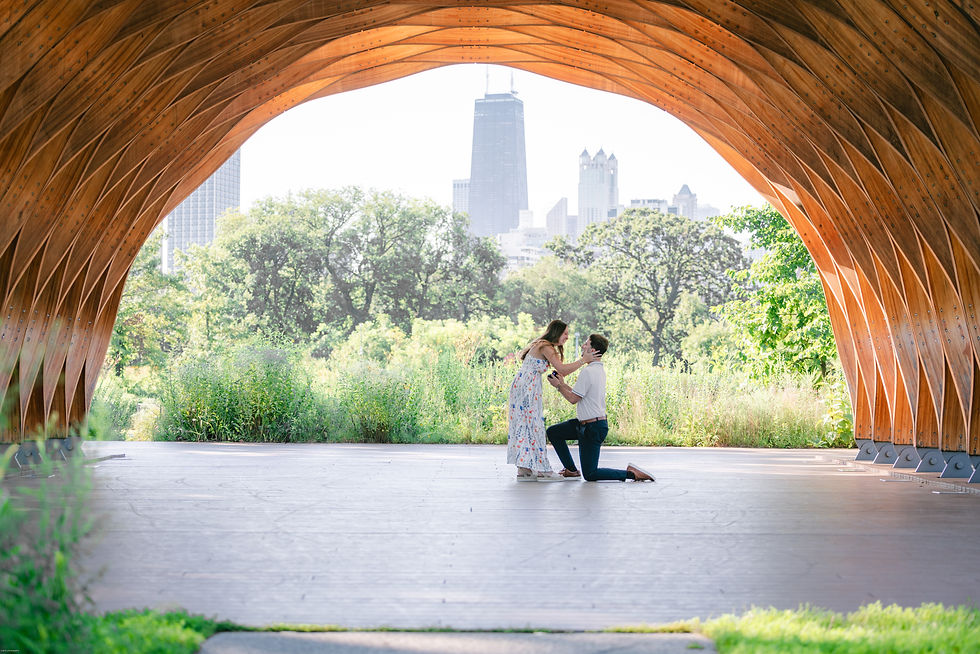
A good proposal plan should make the person proposing feel prepared without making their partner suspicious.
How to build a proposal plan from another city
A proposal plan for an out of town couple should be written clearly enough that the person proposing can follow it on the day without needing to think too much. Nerves are real. Even confident people can forget details when they are about to ask one of the biggest questions of their life.
The plan should be simple, visual, and specific.
Start with the couple’s style
Before choosing the place, define the feeling of the proposal.
Some couples want a dramatic skyline. Some want quiet and private. Some want nature. Some want classic Chicago architecture. Some need the location to connect with a hotel, restaurant, or family gathering afterward.
Good planning starts with questions like:
Should the moment feel private or public?
Is the skyline important?
Will the partner enjoy being photographed in a public area?
Does the proposal need to happen before brunch, dinner, or a family surprise?
Will the couple be dressed casually or formally?
How much walking feels natural?
Does the person proposing want to speak, read a letter, or read a poem?
In the Boston client’s case, the poem mattered. That detail shaped the plan. Reading a poem takes more time than simply dropping to one knee. It needs a calmer spot, fewer people nearby, and enough space for the person reading to feel grounded.
That is why the location and timing had to support the words.
Choose a location that offers backup angles
A proposal location should not depend on one perfect frame. Public places change. A good location gives the photographer and couple options.
Lincoln Park works well because there are several nearby portrait areas. After the proposal near the Honeycomb, the couple could take photos along the side instead of staying in the exact proposal spot. That helped the session feel relaxed and gave the gallery more variety.
When choosing a Chicago location, think in layers:
The proposal spot
This is where the question happens. It should be easy to identify and emotionally right.
The recovery space
This is where the couple can hug, laugh, cry, call someone, or simply breathe without being rushed.
The portrait route
This is where the photographer can guide them after the moment for natural engagement photos.
The backup spot
This is the nearby option if the original place is crowded, blocked, too windy, or affected by weather.
A proposal plan that includes all four feels much safer than a plan built around one exact photo from the internet.
Create a walking route that feels natural
The walk matters because it sets up the surprise.
If the route feels random, the partner may become suspicious. If the stop feels too sudden, the person proposing may feel awkward. A good route creates a reason to arrive at the proposal spot naturally.
For the Lincoln Park plan, the map showed where to enter, which path to follow, and where to stop. The X was not just for photography. It gave the client confidence.
The route should answer:
Where does the couple start?
Which path should they take?
What landmark should they look for?
Where should the person proposing slow down?
Which direction should they face?
Where will the photographer be?
What phrase or action starts the proposal?
For example, the person proposing might say, “Let’s stop here for a second, I want to read you something.” That feels natural if the location is scenic and the walk has led there smoothly.
This is one of the real secrets proposal planning and guiding: the best proposal plans do not feel like instructions during the moment. They feel like a normal walk that happens to arrive at the perfect place.
Share simple visual instructions
A written plan helps, but a visual plan is better.
For out of town clients, I like using:
A marked map
A screenshot with the walking route
A clear X on the exact proposal point
A note about where to face
A photo reference of the spot if available
A short timeline for the morning
The goal is not to overload the client. The goal is to remove uncertainty.
A simple timeline could look like this:
Time | Plan |
8:30 AM | Arrive near Lincoln Park and begin the walk casually |
8:45 AM | Follow the planned route toward the Honeycomb |
9:00 AM | Stop at the marked X and begin the proposal |
9:05 AM | Take a few quiet minutes together |
9:15 AM | Begin portraits nearby |
10:00 AM | Wrap up and continue with brunch or the next plan |
The exact timing can change based on the couple, the season, and the day. The point is to give the morning a shape, so no one has to make decisions under pressure.
What made the Boston to Chicago proposal work
The strongest part of this proposal was not just the location. It was the way each detail supported the next one.
The client wanted the moment to feel personal, so he planned to read a poem. That meant the spot needed enough privacy for him to speak without feeling watched.
We chose Lincoln Park because it offered natural beauty, skyline context, and nearby portrait locations. We planned for 9:00 AM because the area would likely be calmer than later in the day. We marked the walking path because he was not local and did not need the stress of figuring it out that morning. We placed an X on the map because the exact angle mattered.
Then, after the proposal, we gave them time.
That pause is easy to overlook, but it matters. The first minute after a proposal is not a photo session. It is a life moment. People need time to breathe, hug, laugh, cry, and look at the ring. Starting portraits too fast can make the experience feel rushed.
A better flow is:
Let the proposal happen without interruption.
Stay back during the first emotional reaction.
Give the couple a few quiet minutes.
Then guide them gently into portraits nearby.
That is what happened here. After the proposal, I gave them space. Once they were ready, we moved to the side and began photos. The portraits felt natural because the emotion was still fresh, but the couple was no longer in shock.
The images worked because the plan protected the moment first. The photography came after that.
The role of the photographer during a surprise proposal
A proposal photographer is not only there to press the shutter. The photographer often becomes part planner, part guide, and part quiet problem solver.
For out of town couples, that role may include:
Recommending locations based on light and privacy
Explaining how crowded a spot may be
Helping choose the best time of day
Creating a route that feels natural
Marking the exact proposal point
Planning where to stand during the surprise
Adjusting quickly if people walk into the frame
Guiding portraits after the proposal
Helping the couple feel comfortable on camera
The best work happens before the camera comes out. If the plan is clear, the proposal can feel calm. If the proposal feels calm, the photos usually feel more honest.
Why privacy can still happen in a public park

Many couples assume a private proposal requires a private venue. That can be true, but it is not the only option.
A public park can still feel private when the timing, route, and exact spot are planned well. Privacy does not always mean no one exists nearby. Sometimes it means no one is close enough to interrupt the feeling of the moment.
At Lincoln Park, privacy comes from spacing and timing. The park is large. The paths move in different directions. The Honeycomb and Nature Boardwalk area offer visual interest without forcing the couple into a tight, crowded overlook.
That said, public spaces always carry some uncertainty. A runner may pass. A family may stop nearby. Another photographer may arrive. A good plan accepts that reality and builds room to adjust.
A practical checklist for planning a Chicago proposal from out of town


The best proposal plan is clear enough to follow and flexible enough to survive real life. Chicago weather, traffic, and crowds can change quickly. A checklist keeps the important pieces in place.
Choose the location for more than the view
A beautiful view is helpful, but the location should also work practically.
Ask these questions before committing:
Is the spot easy to find?
Is there a natural reason to walk there?
Does it offer a clean background?
Is there space for the photographer?
Does it have nearby portrait options?
Is there a backup location close by?
Will it still look good if the weather is cloudy?
Good Chicago proposal locations often include skyline views, lakefront scenery, gardens, bridges, or architecture. The right one depends on the couple’s style.


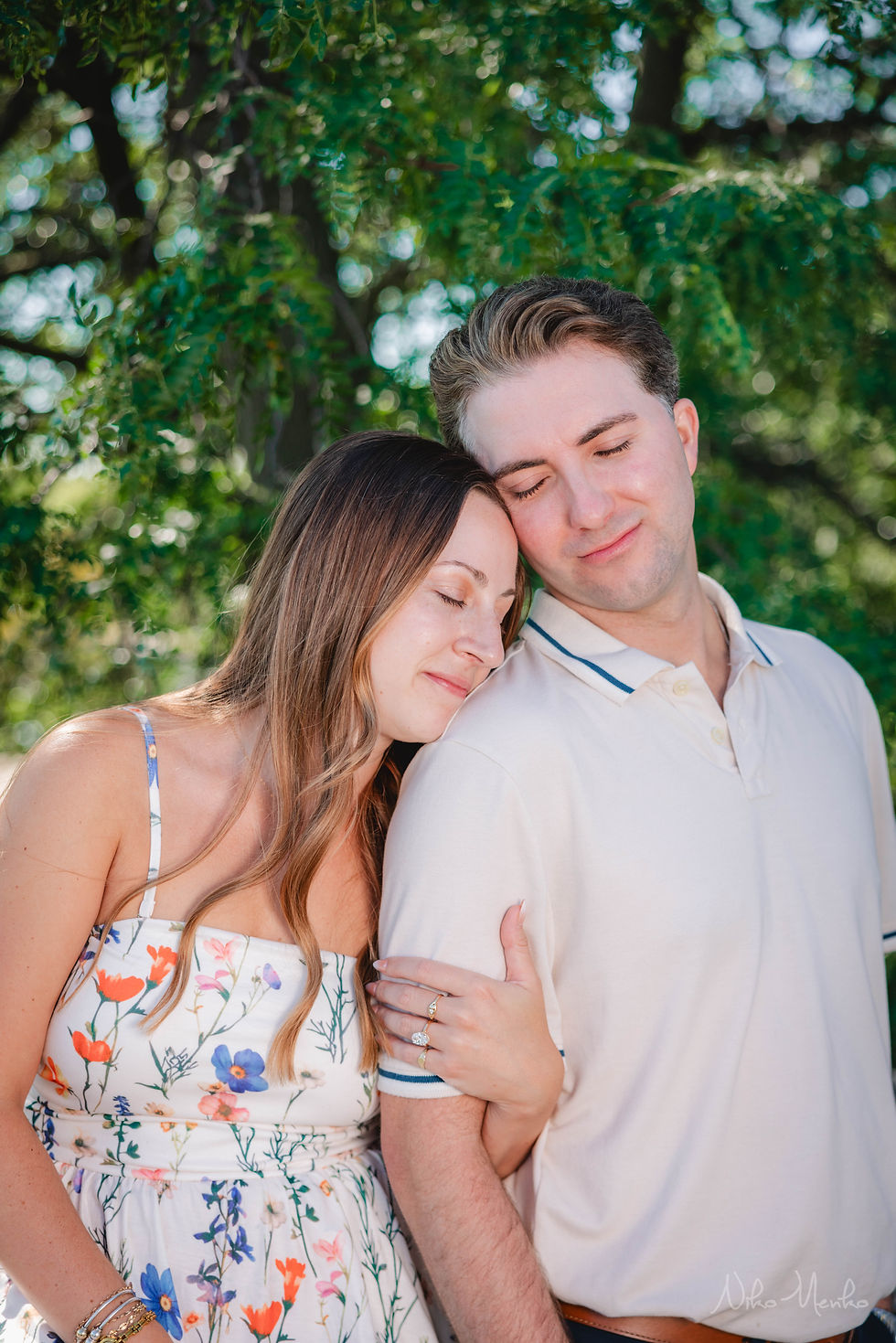
Lincoln Park is a strong choice for couples who want nature and skyline together. The Riverwalk may fit couples who want a city feel. North Avenue Beach can work for skyline and lake views, though wind and crowds matter. Milton Lee Olive Park can feel scenic and open, but access and conditions should be checked. Garfield Park Conservatory can be beautiful for indoor greenery, but permits and rules are especially important there.
Pick the time based on light and foot traffic
For photography, morning and late afternoon are usually safer than midday. The light tends to be softer, and public spaces may feel calmer depending on the location.
For proposals, morning has extra benefits:
Fewer people in many popular spots
Less heat in warmer months
More relaxed timing for the rest of the day
Easier transition into brunch or a planned activity
Evening can also be beautiful, especially near sunset, but it often brings more people to scenic areas. Dinner plans can also create pressure if anything runs late.
The Boston client’s 9:00 AM timing worked because it matched the goal. The moment needed quiet. The poem needed space. The photos needed soft light. Morning gave us the best chance at all three.
Plan the words, not only the location
Many proposal plans focus heavily on where to stand and forget what will be said. The words are the center of the moment.
A poem, letter, short speech, or simple sentence can all work. The right choice depends on the person proposing. What matters is that the words feel true.


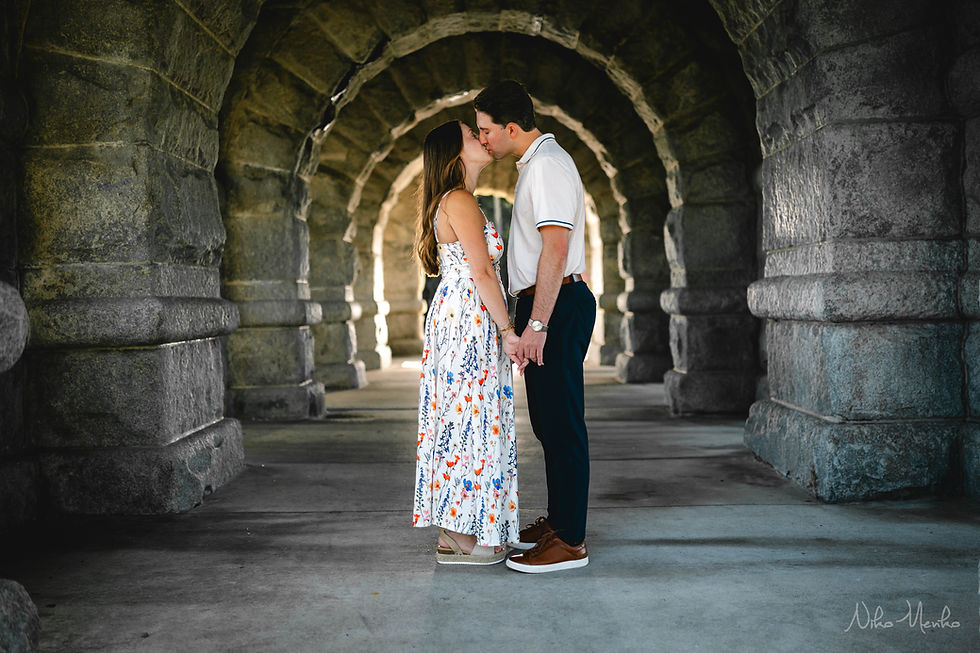
If nerves are a concern, write the words down. A phone note can work, but a small card or folded paper can feel more personal in photos. Reading from paper also gives the moment a clear action, which helps the photographer anticipate what is happening.
In this story, the poem created a beautiful pause before the question. It gave the proposal emotional weight and made the photos feel connected to something real.
Build in quiet time after the yes
Do not schedule the morning too tightly.
After the proposal, the couple should have a few minutes without direction. This is especially important for surprise proposals because one person is processing a major emotional moment in real time.
A good post-proposal flow might include:
A few private minutes together
A short portrait session nearby
A call or video call with family
Brunch or coffee
A planned activity in the city
Dinner later in the day
The best photos often happen when the couple has had a moment to settle. They look at each other differently. The smiles are real. The nervous energy softens.
Check permits and rules before the day
Chicago has many public and semi-public spaces, and rules can vary. Some locations may require permits for professional photography, larger setups, decorations, tripods, props, or reserved time. The Chicago Park District provides permit information for parks, and specific venues may have their own rules.

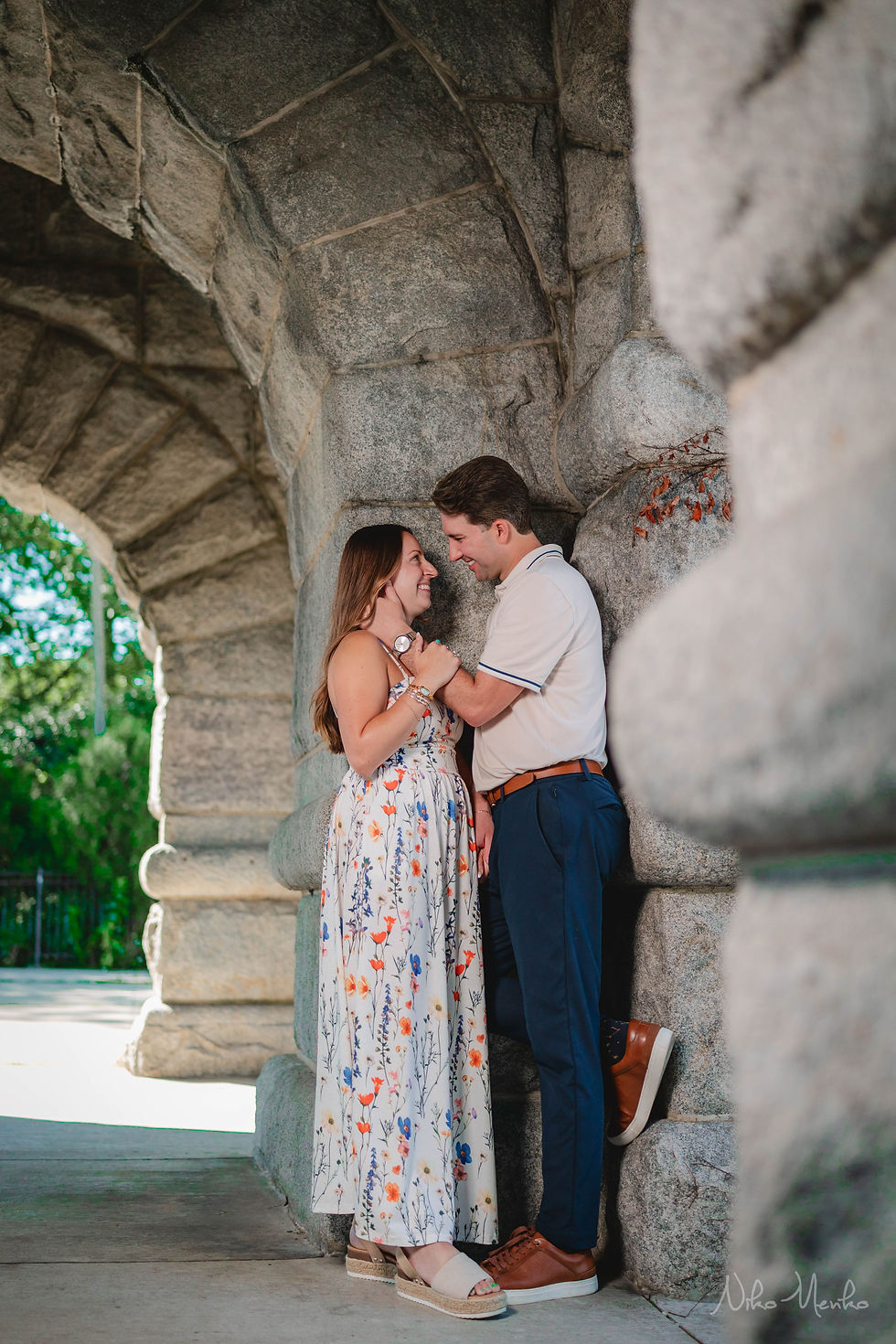
A simple proposal with no setup is different from a decorated installation with flowers, candles, signage, and a photographer. Do not assume every public place allows every type of setup.
For out of town couples, this is one of the easiest areas to miss. Local planning helps because it can flag permit questions before the proposal day.
Prepare for weather without letting it control the day
Chicago weather can shift quickly, especially near Lake Michigan. Wind, rain, snow, and temperature swings can all affect comfort and photos.
A good proposal plan should include:
A rain option
A wind-aware location choice
Comfortable walking distance
A plan for coats, bags, and umbrellas
Flexible portrait spots nearby
Clouds are not a problem for engagement photos. Overcast skies often create soft, even light. Wind can also add movement, but too much wind near the lake can make speaking and posing harder.
The goal is not to predict everything. The goal is to have a calm answer if the forecast changes.
What a perfect Chicago proposal really comes down to


A perfect proposal is not perfect because every outside factor behaves. It feels perfect because the plan supports the emotion instead of getting in the way.
The Boston to Chicago proposal worked because the details were handled before the couple arrived. The location matched the feeling. The 9:00 AM timing reduced crowds. The route made sense. The X on the map removed confusion. The Honeycomb gave the moment a beautiful Chicago setting. The pause afterward gave the couple room to breathe. Then the portraits felt easy and real.
That is the model worth following.
For anyone planning from another city, do not stop at choosing a famous Chicago spot. Build the whole experience around the moment:
Pick a location that fits the couple
Choose the time for light and privacy
Map the walking route
Mark the exact proposal spot
Plan what will be said
Give the couple space afterward
Take portraits nearby while the emotion is still fresh
A proposal only happens once. The planning should make it feel calm, personal, and true to the couple.
If you want help planning and photographing a Chicago proposal with a clear route, timing, and location guidance, view the Chicago engagement photography planning page. The right plan can turn an unfamiliar city into the perfect place to ask.

Comments